This article first appeared on GuruFocus.
Toyota Motor Corp. (NYSE:TM) is starting to show early signs of strain as February data points to softening demand in key markets, particularly China, where competition in electric vehicles continues to intensify. The company reported a 2.3% year-over-year decline in global sales to 806,905 units, with Toyota and Lexus brand sales in China falling 13.9% and local production down 11.5%, partly reflecting the timing of the Lunar New Year holiday. While Toyota has so far held relatively steady through a broader slowdown in EV demand and ongoing tariff-related costs, the latest figures suggest underlying pressure could be building before the full effects of recent geopolitical developments are felt.
The broader industry backdrop appears similarly challenged. Honda Motor Co. (NYSE:HMC) reported a 6.6% drop in global sales for February to 249,414 units, including a 15.2% decline in China, while Nissan Motor Co. posted a 7.4% global sales decline, with a sharper 19.4% contraction in the Chinese market. These trends could indicate that legacy automakers are facing a more competitive and rapidly shifting demand environment in China, particularly as local EV players continue to scale. At the same time, supply-side risks are beginning to emerge, as the Middle East conflict that escalated on Feb. 28 starts to affect logistics, deliveries, and sourcing conditions.
Japanese automakers may be particularly exposed given that roughly 70% of their aluminum supply is sourced from the region, and disruptions to the Strait of Hormuz are forcing longer shipping routes via the Cape of Good Hope, potentially extending delivery times to around 100 days. Industry data shows that about 800,000 vehicles were exported from Japan to the Middle East in 2025, representing approximately 2.5 trillion in value, highlighting the scale of potential disruption. In response, Toyota and Nissan have signaled plans to reduce production in March, while Honda is increasing localized production in certain regions to offset export declines. Separately, Toyota's joint ventures in China are preparing to recall more than 560,000 SUVs as part of a wider global recall affecting about 1.23 million vehicles, which could add another layer of operational complexity at a time when demand visibility may already be weakening.
LATEST POSTS
- 1
 As tetanus vaccination rates decline, doctors worry about rising case numbers
- 2Language Learning Stages: Which One Gets Your Vote?
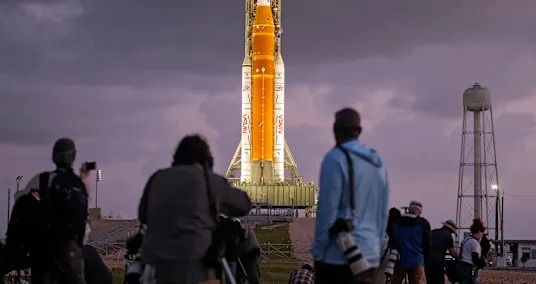
- 3The Latest: Fueling begins as NASA aims to send 1st crew to the moon in 53 years
- 4The Most Enrapturing Authentic Milestones to Visit
- 5Instructions to Distinguish the Wellbeing Dangers Related with 5G Pinnacles




- The most effective method to Move toward Compensation Conversations for Cutting edge Practice Enrolled Attendants
- All the eclipses, supermoons, meteor showers and planets to spot in 2026
- The most effective method to Go with Informed Choices on Vehicle Leases
- France will build a new aircraft carrier as it increases defense spending
- Germany's first Omani LNG shipments arrive despite Middle East disruptions
- Greenland’s melting ice and landslide-prone fjords make the oil and minerals Trump is eyeing dangerous to extract
- Figure out How to Augment Eco-friendliness in Your Volvo XC40
- US FDA declines to approve Corcept's drug for rare hormonal disorder
- Figuring out the Justification for Separation: To blame and No-Shortcoming