If you were traversing the ancient Tethys ocean some 115 million years ago and encountered gigantic lamniform sharks, you’d most definitely need a bigger boat.
Lamniformes, an order of sharks that includes the great white of Jaws infamy, evolved around 135 million years ago and may have begun as wee, shallow water-dwelling creatures—around 3 feet long. But over time, they evolved into massive, fearsome fish that ruled the world’s oceans, for example the extinct megalodon that might have surpassed 50 feet long.
Previous evidence suggested that lamniformes swelled in size to hit the top of the marine food chain around 100 million years ago. Now, fossilized vertebrae found in Australia push this timeline back some 15 million years. These vertebrae appear to have belonged to a type of lamniform called a cardabiodontid, a hefty mega-predatory shark that swam among huge marine reptile neighbors such as plesiosaurs and ichthyosaurs while dinosaurs roamed land.

This ancient ocean beast weighed more than 3 tons and measured between around 20 and 26 feet long, scientists reported in Communications Biology. According to statistical analysis of data from almost 2,000 modern sharks, the authors suggest that this ancient shark ballooned in size relatively early in its evolutionary history, about 20 million years after lamniformes emerged.
“This discovery changes the timeline for when sharks started getting really big,” said study author Mikael Siversson, a paleontologist at the Western Australian Museum, in a statement. “It turns out, they evolved a giant body size much earlier than we originally thought and were already top predators in shallow seas.”
Read more: “You’re Going to Need a Bigger Light”
The cardabiodontid vertebrae were discovered at a dig site called the Darwin Formation in northern Australia, which was once part of a shallow shelf bordering the Tethys ocean that sat between modern-day Australia and Europe. The same site has also revealed ancient marine reptiles, ray-finned fish, and other types of sharks.
The shark fossils were a rare find: Their skeletons are made of rubbery cartilage and don’t tend to stick around, so most known shark remnants are teeth. But these vertebrae were partially mineralized, keeping them relatively well preserved over the millennia.
Overall, the recent cardabiodontid findings reveal “a lot about how ancient food webs worked” Siversson said, and show “just how important Australia’s fossil sites are for understanding prehistoric life.”
Enjoying Nautilus? Subscribe to our free newsletter.
Lead image: Polyanna von Knorring, Swedish Museum of Natural History
This story was originally featured on Nautilus.
LATEST POSTS
- 1
 The Benefits of Effective money management for Your Youngsters' Future Monetary Prosperity
 - 2Find the Mysteries of Effective Objective Setting: Transforming Dreams into Feasible Targets
- 3Ringleader of suspected human trafficking network arrested in Ethiopia
- 4CDC changes kids' vaccine schedule, removing universal recommendation for some shots
- 5US bishops officially ban gender-affirming care at Catholic hospitals





- Find Your Internal Culinary expert: Cooking Strategies and Recipes
- The Best Computer games Ever
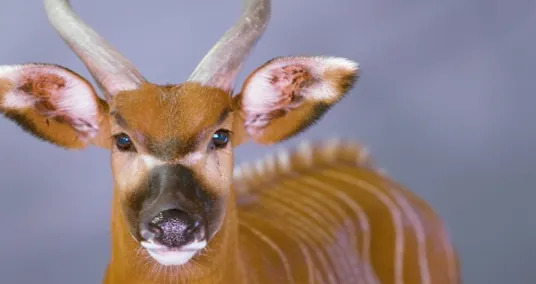
- The Eastern Bongo, Kenya’s Rare Forest Antelope on the Brink
- A Manual for Pick Great Lawful Discussion Administrations For New businesses In 2024
- EU foreign ministers commemorate Russian massacre in Bucha
- Geminid meteor shower, one of the year's most reliable, peaks this weekend
- Treason trial of South Sudan's suspended VP is further eroding peace deal, UN experts say
- ‘Harry Potter and the Philosopher’s Stone’ trailer is raising eyebrows among Potterheads: ‘Where’s the whimsical color?’
- Astonishing Deserts All over The Planet You Really want To Visit