An RSPB reserve will construct a "beach-style" nesting pontoon for a species of seabird that breeds at the site.
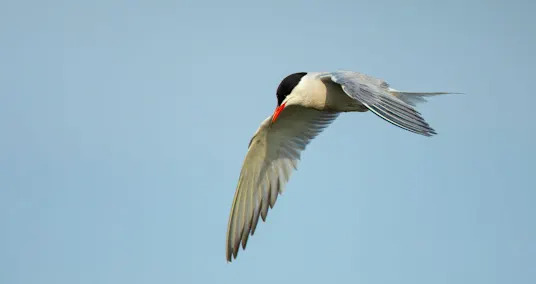
Colonies of common terns migrate from Africa for the British summer, and raise their young at St Aidan's nature park near Castleford.
The wildlife charity has secured funding for a shale beach pontoon to replace the small wooden rafts that the birds had previously nested on.
Lydia Teague, manager at the RSPB's reserves in the Aire Valley, said the amber-listed common tern was "absolutely stunning, beautiful".
Teague said the species was nicknamed "sea swallow" because of its size and forked tail.
She added: "They take advantage of the small fish we have up here and our nice long days to raise their young."
Common terns prefer areas surrounded by water with protection from ground predators.
They nest on shingle beaches, but are increasingly suffering from disturbance and are now classed as at moderate risk of conservation concern because of significant population decline in the past 40 years.
Teague said: "Common terns do nest in continental Europe but we want to make sure we don't lose these species from the British Isles."

The new artificial raft at St Aidan's will mean the birds "can settle together and feel safer," she added.
It will also reduce competition with the larger black-headed gull for breeding space at the site, as both species prefer the same habitat.
The pontoon will be installed at a time that is beneficial to the terns to prevent other birds colonising the space first.
"The common tern arrives back in the UK from mid-April," Teague said.
"Black-headed gulls have already settled down by then and are sitting on their nests.
"It's all in the timing."
Listen to highlights from West Yorkshire on BBC Sounds, catch up with the latest episode of Look North.
LATEST POSTS
- 1
 Russia provided Iran with list of Israeli energy targets, Ukrainian intelligence finds
 - 2Don’t let food poisoning crash your Thanksgiving dinner
- 3Wisconsin archaeologists identify 16 ancient canoes in a prehistoric lake 'parking lot'
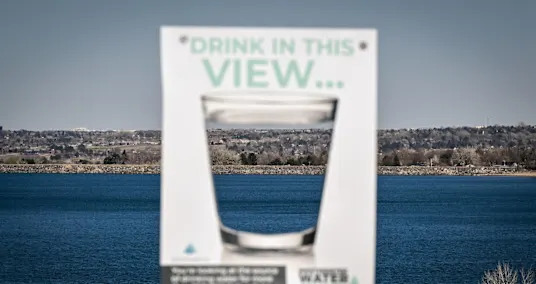
- 4Colorado residents face earliest water restrictions ever — a harbinger of worse to come
- 5Meet the Artemis crew in NASA's first astronaut mission to the moon in more than a half-century



- ‘Inoculation’ helps people spot political deepfakes, study finds
- Extravagance SUVs for Seniors: Solace, Innovation, and Security
- 'Here we go again': Businesses grapple with fuel costs
- Staggering Spots to Stargaze All over the Planet
- Humpback whale stranded on Germany's Baltic coast frees itself
- Good ways to respond if your kid brings home less-than-ideal grades
- Moon memorial: Artemis 2 astronauts name lunar 'bright spot' after mission commander's late wife
- Eli Lilly to build $6 billion Alabama plant as part of US manufacturing push
- Two Indonesian UN peacekeepers killed in explosion in Lebanon